
Statistical Insights and Data Driven Perspectives on the Proliferation of Artificial Intelligence in Wearable Form Factors
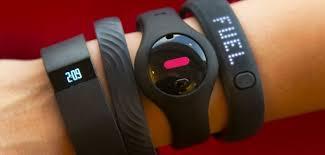
The story of wearable AI is best told through the lens of data, which reveals a clear trajectory of increasing sophistication and adoption. Every year, the number of sensors packed into a single device increases, as does the frequency at which they sample data. This leads to a massive influx of information that only AI can effectively parse. When we look at the Wearable Ai Market Data, it becomes evident that the most successful products are those that can translate these billions of data points into simple, actionable advice. For instance, rather than just telling a user they had "bad sleep," an AI can point to a late-night meal or a change in room temperature as the likely cause. This level of granularity is what makes the technology indispensable to modern users. The data also shows a significant increase in the use of wearables by younger demographics, who are more comfortable with continuous monitoring and digital health integration.
Furthermore, the data highlights the growing importance of the "hearables" segment, which has seen explosive growth due to the integration of voice assistants and noise-canceling AI. The statistics show that users are spending more hours per day with their wearables than with almost any other piece of technology except their smartphones. This constant contact provides a unique opportunity for longitudinal health studies, which are already beginning to yield insights into how lifestyle choices affect long-term health outcomes. Researchers are using this data to identify digital biomarkers for conditions like Parkinson's or Alzheimer's, which could lead to much earlier diagnoses. As the data sets grow larger and more diverse, the AI models will only become more accurate, creating a virtuous cycle of improvement that benefits the entire ecosystem.
What kind of "actionable advice" can wearable AI provide? It can suggest specific changes like adjusting sleep schedules, increasing hydration, or taking a break when it detects rising stress levels.
How is wearable data used in medical research? Anonymized data from millions of users helps researchers identify early digital biomarkers for diseases and understand how different demographics respond to lifestyle changes.

 English
 Arabic
 French
 Spanish
 Portuguese
 Deutsch
 Turkish
 Dutch
Dutch
 Italiano
 Russian
 Romaian
 Portuguese (Brazil)