
The Power of Big Data: Analyzing Consumer Spending Habits and the Value of Wearable Payment Device Market Data for Personalized Retail Experiences
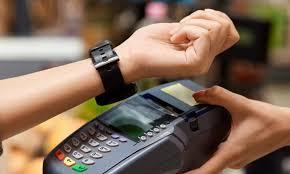
In the modern economy, data is often described as the "new oil," and the wearable payment sector is one of its most prolific sources. Every time a user taps their watch or ring to make a purchase, a wealth of information is generated, including the time, location, amount, and nature of the transaction. When combined with the biometric and activity data already being collected by the wearable, this creates a 360-degree view of the consumer's lifestyle. For retailers and marketers, Wearable Payment Device Market Data is incredibly valuable for creating hyper-personalized shopping experiences. Imagine a scenario where your fitness tracker notices you've just finished an intense workout and, based on your previous spending habits, sends a notification to your watch offering a discount on a protein shake at a nearby store. This level of predictive analytics allows businesses to engage with customers at the exact moment they are most likely to make a purchase, significantly increasing conversion rates and customer loyalty.
However, the collection and use of such granular data also raise significant ethical and privacy concerns. Consumers are becoming increasingly aware of how their data is being tracked and sold, leading to a demand for greater transparency and control. For the wearable payment industry to continue its success, it must navigate these concerns by implementing "privacy by design" principles. This means ensuring that data is anonymized whenever possible and that users have clear, easy-to-understand options for opting in or out of data sharing. Furthermore, as the volume of data grows, the risk of a catastrophic data breach increases. Companies must invest heavily in advanced encryption and decentralized data storage solutions, such as blockchain, to protect this sensitive information. The challenge will be to leverage the power of big data to improve the consumer experience without infringing on individual rights or compromising security. Those companies that can find this balance will be the ones that earn long-term consumer trust and thrive in the data-driven future of retail.
Is my personal health data shared with the store when I make a payment? No, the payment transaction and the health tracking data are typically stored in separate, encrypted silos. The merchant only receives the necessary information to authorize the payment.
How can I see what data my wearable is collecting about my spending? Most wearable platforms provide a companion app on your smartphone that allows you to view your transaction history and manage your data sharing preferences.

 English
 Arabic
 French
 Spanish
 Portuguese
 Deutsch
 Turkish
 Dutch
Dutch
 Russian
 Romaian
 Portuguese (Brazil)
 Greek
Greek